
ABCD in Motsekuoa
Asset-Based Community Development (ABCD) Training in in Lesotho
Khotso Mokitimi, Founder and Managing Director of Basotho Building Lesotho
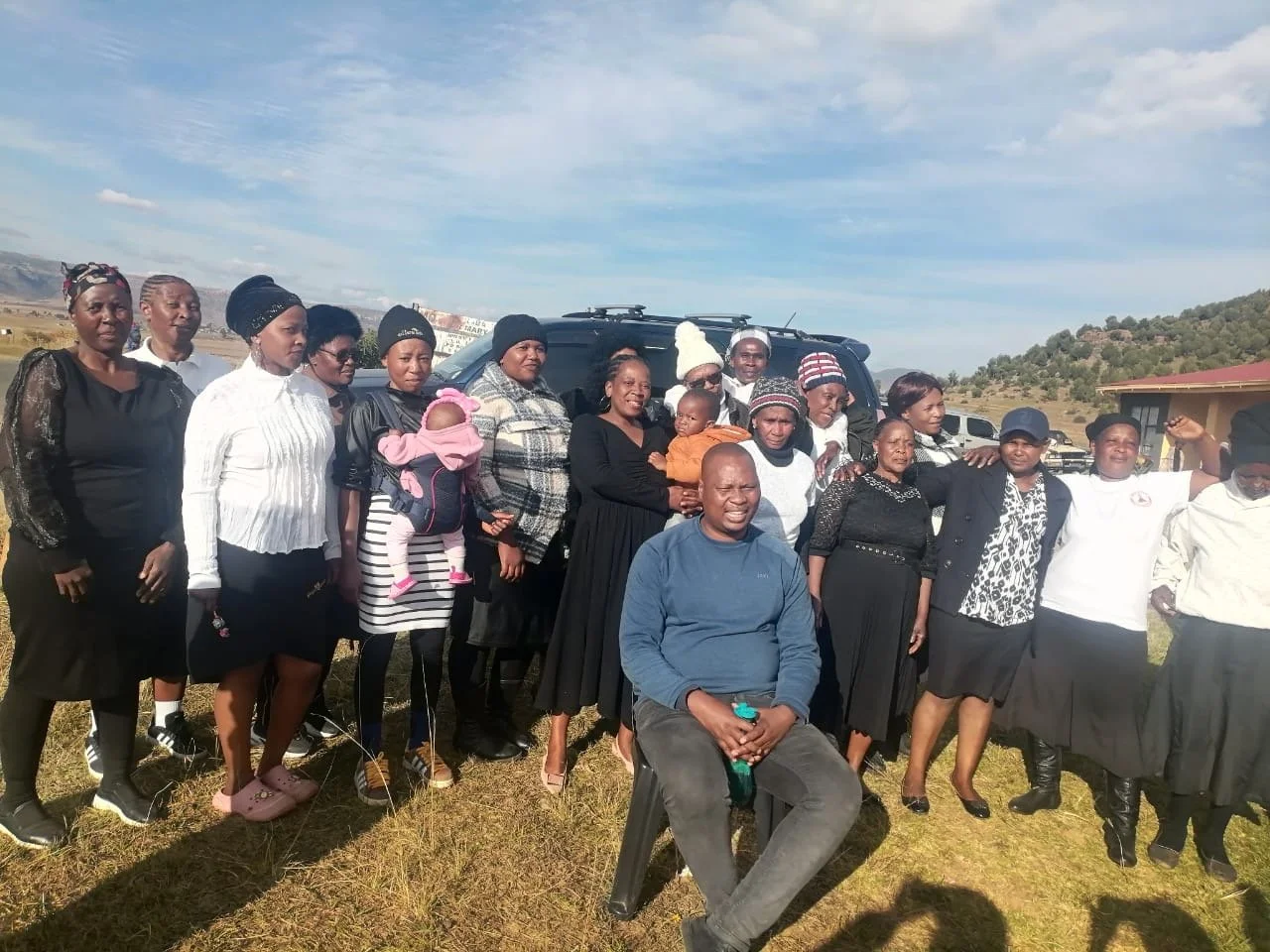
Motsekuoa Community Members
Context
The community of Motsekuoa was well aware of their deficits and the failed efforts in the past to address their needs. Help from outside of their community was not effective.
However, the ABCD training was conducted to shift the community’s focus from what they lacked to what they had—the assets, skills, and resources that existed within their own community. The goal was to equip residents with tools to lead their own development using what they already had.
Twenty members of the community attended the training, including youth, women, local leaders, and small business owners.
Mapping Assets
We began with an asset mapping exercise, wherein participants identified physical, human, social, and institutional resources within their community.
Examples included local skills in construction, active church groups, and unused communal land. They were already rethinking how to utilize unused spaces. For example, even where the training was held was an old shop building that they were able to turn it into community hall.
Storytelling
We continued with sharing stories together about past successes where local initiative solved problems without outside funding.
Others shared their personal experiences which shaped who they are, which was so inspiring particularly to the youth who were present.
Group Planning
Based on the mapped assets and their local materials, groups designed small projects, especially using their kitchens as home-based industries to produce juice, achar, and porridge.
Outcomes
Several clear results were observed after the training:
increased awareness that development can start with internal resources
stronger connections between different groups within the community
renewed commitment from local leaders to organize a follow-up meeting to prioritize one project for implementation
Recommendations
Three practical action steps were identified:
support the community to formalize a small action team to coordinate the first project
provide minimal technical support for project planning and record-keeping
link mapped assets to potential partners only after community priorities are clear, in order to avoid dependency
Conclusion
The training shifted mindsets in Motsekuoa from what they lacked to what they had. The members of this community demonstrated strong willingness to act, and follow-up will be critical to maintain momentum.